Route Overview
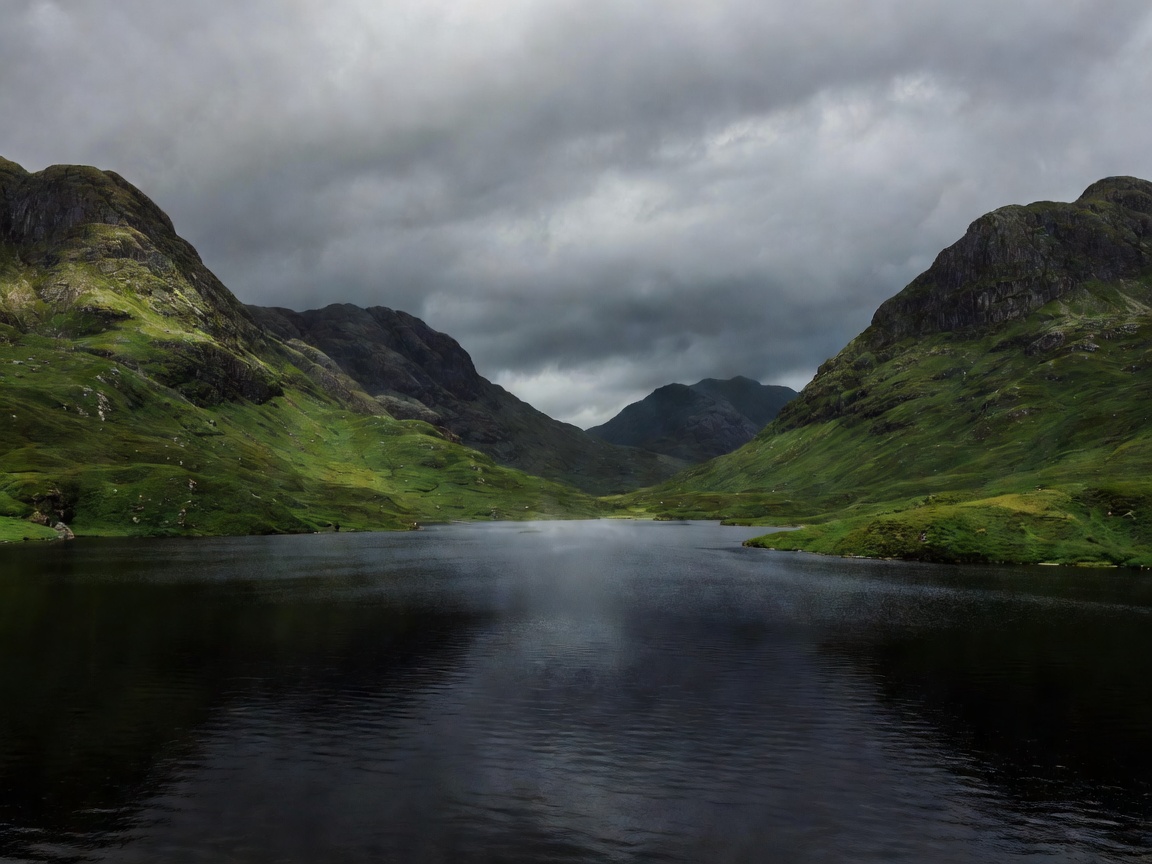
Scotland’s geography is fractured by deep, glacially carved valleys filled with dark water. The Scottish Lochs Route is less a formal highway and more a curated linkage of the country's most spectacular inland and sea lochs. Beginning just outside Glasgow, this circuit carries drivers north into the Highlands, threading through ancient glens and beneath towering Munros, before looping back down the eastern edge of the Cairngorms.
This is a drive characterized by its atmosphere. The weather changes rapidly, casting shifting light over the ruins of lakeside castles. It is a route that demands a slow pace, not just to absorb the scenery, but to safely navigate the winding, often single-track roads that cling to the water's edge.
Best Time to Go
Late spring (May) and early autumn (September) are the optimal windows. During these months, you avoid the dense crowds of mid-summer and sidestep the worst of the notorious Scottish midges (biting insects that swarm near the lochs in July and August). Winter driving in the Highlands is beautiful but treacherous, with frequent ice and snow closing higher passes.
Detailed Itinerary Highlights
Loch Lomond and The Trossachs
Starting from Glasgow, the route immediately enters Loch Lomond & The Trossachs National Park. The A82 traces the western shore of Loch Lomond, Britain's largest inland stretch of water. The road here is squeezed tightly between the loch and steep forested hillsides. Pull over at the village of Luss to admire the neat stone cottages and get a clear view of Ben Lomond across the water.
Glencoe to Loch Ness
Continuing north on the A82, you leave the wooded lochs behind and enter the stark, haunting beauty of Glencoe. While not a loch itself, this volcanic glen is an essential corridor to the northern waters. Reaching Fort William, the route picks up the Great Glen Fault—a massive geological tear across Scotland containing Loch Linnhe, Loch Lochy, and the legendary Loch Ness. The drive along the western shore of Loch Ness toward Inverness is smooth and sweeping, offering distant views of Urquhart Castle jutting into the dark water.
Loch Maree Detour
For those willing to extend the trip, turning west from the Great Glen towards Wester Ross reveals Loch Maree. Often cited as Scotland's most beautiful loch, it is dotted with ancient Caledonian pine-covered islands. The driving here involves single-track roads with passing places, requiring patience and good etiquette.
Vehicle & Preparation Recommendations
A compact or mid-size vehicle is strongly recommended over a large SUV. Many roads in the Highlands, particularly those hugging the smaller lochs, are single-track (one lane for both directions of travel). You will need to frequently pull into designated "passing places" to let oncoming traffic by. A smaller car makes this maneuvering much less stressful.
Fuel stations can be sparse in the northwest Highlands; never let your tank drop below a quarter full. Additionally, prepare for four seasons in a single day. Pack waterproof gear, even in July, and keep a paper map handy, as GPS signals frequently drop out in the deep glens.
Pros and Cons
- Pros: Unbelievably dramatic scenery; rich history with accessible castles; fantastic local food and distilleries along the route.
- Cons: Single-track roads can be intimidating for unaccustomed drivers; summer brings heavy tourist traffic (including large campervans); weather is entirely unpredictable.
Final Thoughts
The Scottish Lochs Route provides a concentrated dose of Highland majesty. It isn't a route meant for setting speed records. Instead, it’s a journey of atmospheric immersion, where the joy comes from watching the mist roll off the water and finding a quiet loch-side inn at the end of the day.