Route Overview
The Ruta de los Siete Lagos (Route of the Seven Lakes) in Argentina is a relatively short but densely packed corridor of natural beauty. Connecting the alpine resort town of San Martín de los Andes in the north to the bustling hub of Villa La Angostura in the south, this stretch of National Route 40 weaves through two national parks: Lanín and Nahuel Huapi.
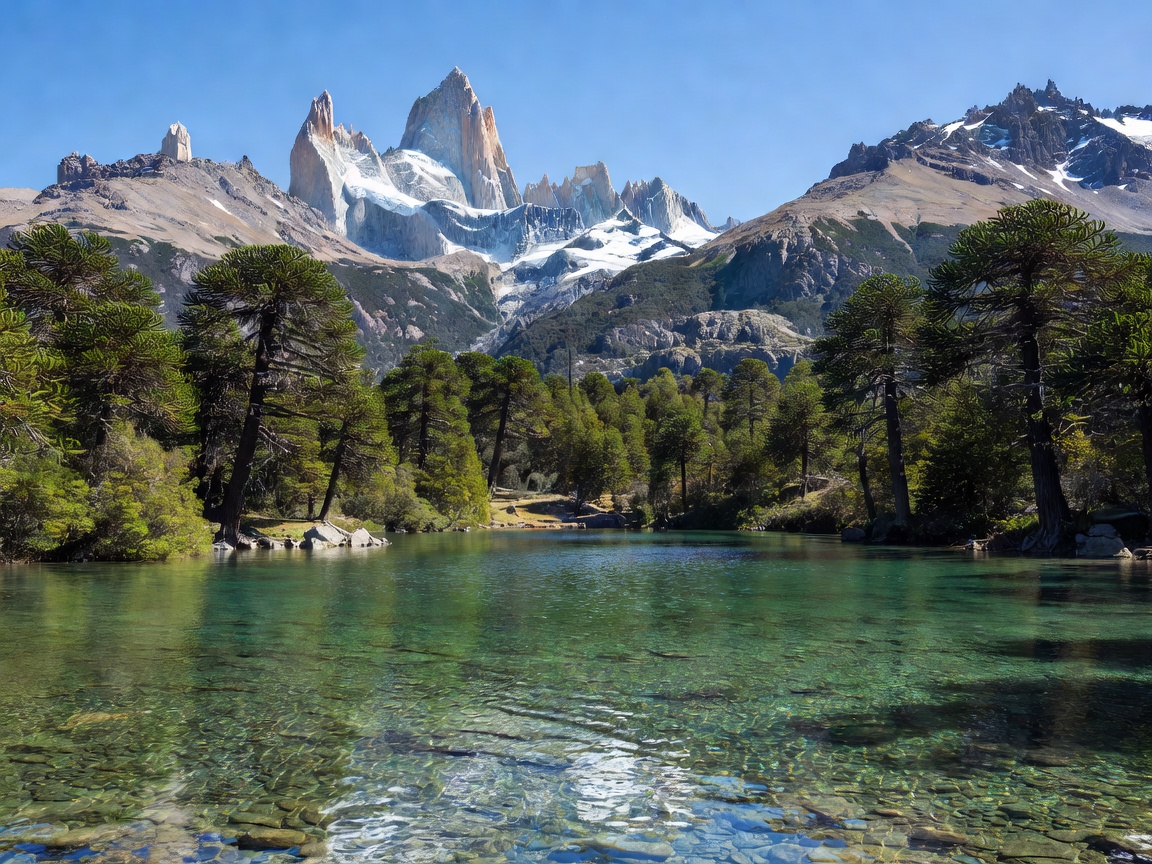
Despite the name, the route technically provides viewpoints for more than seven lakes, but the traditional seven are Machónico, Falkner, Villarino, Escondido, Correntoso, Espejo, and Nahuel Huapi. The drive cuts through dense, primeval forests of coihue and monkey puzzle trees, offering sweeping vistas of the Andes and water so clear you can see trout swimming over the rocky beds.
Best Time to Go
The Patagonian summer (December to March) offers the warmest weather and fully accessible hiking trails. However, late autumn (April to May) provides an explosion of red and gold foliage as the native deciduous beech trees change color, making it a favorite for photographers. Winter driving is possible, as the road is maintained, but ice and snow are common, and many smaller campsites and detours close.
Detailed Itinerary Highlights
San Martín de los Andes to Lake Machónico
Beginning on the shores of Lake Lácar in San Martín, the road immediately climbs, offering a magnificent overlook of the town. The first official lake on the route is Machónico, characterized by its deep blue hue and surrounding arid, rocky peaks. Pull off at the designated Mirador (viewpoint) for a panoramic view.
Lakes Falkner and Villarino
These two lakes are separated by a narrow strip of land and offer excellent opportunities to stop. Lake Falkner features wide sandy beaches on its eastern edge, making it an ideal spot for a midday picnic or a brief, freezing swim in the summer. Lake Villarino is renowned for its fly fishing; it’s common to see anglers wading in the shallows where the two lakes connect.
Lake Correntoso and Villa La Angostura
As you near the southern end of the route, Lake Correntoso offers striking emerald green waters. Just beyond lies Villa La Angostura, nestled on the edge of the massive Lake Nahuel Huapi. This town serves as a perfect base camp to explore the Arrayanes forest, a unique woodland of cinnamon-colored trees that supposedly inspired Walt Disney's Bambi.
Vehicle & Preparation Recommendations
Until a few years ago, much of this route was unpaved ripio (gravel). Today, the entire 67-mile stretch of the Seven Lakes is fully paved and in excellent condition. A standard rental car is completely adequate. However, if you plan to take side excursions to more remote lakes like Lago Traful, you will encounter significant stretches of rough gravel where a high-clearance vehicle is beneficial.
Cellular service is practically nonexistent between the two main towns. Download offline maps and bring a physical map. While the drive takes only a few hours without stopping, budget an entire day to pull over, take short hikes, and enjoy the viewpoints.
Pros and Cons
- Pros: Fully paved and easy to navigate; incredibly dense concentration of scenery; excellent, well-marked viewpoints.
- Cons: Extremely popular during the January/February Argentine holidays; limited services along the middle of the route.
Final Thoughts
The Route of the Seven Lakes proves that you don't need to drive for weeks to experience wild Patagonia. It is a highly accessible, profoundly beautiful introduction to the Andes, blending pristine wilderness with the comfort of charming alpine towns at either end.