Route Overview
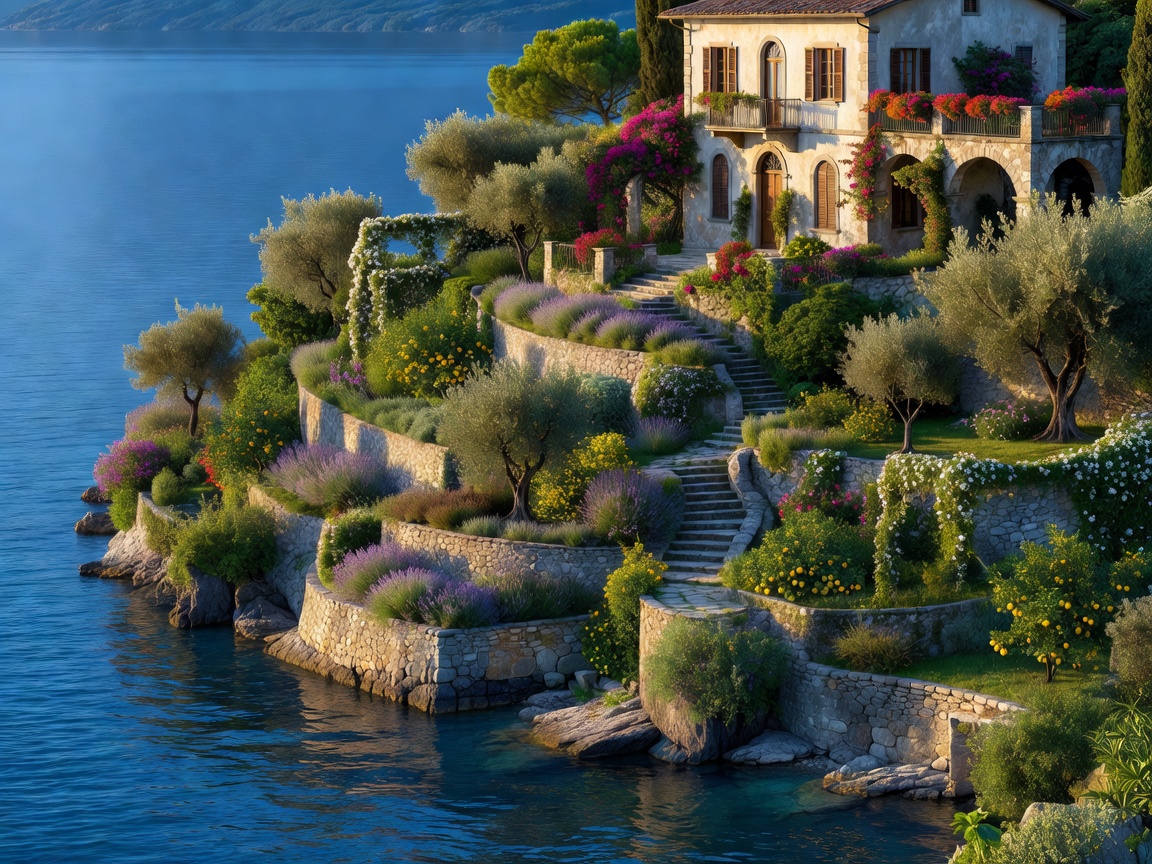
Set against the southern foothills of the Alps, the grand lakes of Northern Italy—Garda, Como, and Maggiore—have drawn travelers for centuries. The Italian Lakes Drive strings these three iconic bodies of water together, creating a route that balances natural alpine beauty with sheer architectural elegance. Driving here is an active experience; the roads are famously narrow, winding tightly along steep cliffsides, tunneling through rock, and slicing through bustling resort towns lined with pastel-colored villas.
Best Time to Go
Spring (April to June) and early autumn (September to October) are ideal. During the spring, the extravagant villa gardens are in full bloom, and the weather is warm but fresh. July and August are blisteringly hot and congested with European holiday traffic, making the already narrow lakeside roads a slow, frustrating crawl. Winter offers quiet roads, but many hotels, restaurants, and boat ferries shut down entirely.
Detailed Itinerary Highlights
Lake Garda (Lago di Garda)
Begin in the east at Lake Garda, Italy’s largest lake. The western shore road (the Gardesana Occidentale) is an engineering marvel, featuring dozens of tunnels blasted through the cliff face. It provides dramatic views over the water. Stop in Sirmione, a town situated on a narrow peninsula jutting into the lake, featuring a 13th-century castle and Roman ruins.
Lake Como (Lago di Como)
Moving west across the Lombardy plains, you reach Lake Como, shaped like an inverted 'Y'. The driving here is tight and technical, particularly the road from Como town up to Bellagio at the lake's center point. The sheer mountains plunge directly into the deep water, leaving barely enough room for the road. The emphasis here is on opulence—take time to park the car and explore the botanical gardens of Villa Carlotta or Villa del Balbianello on foot or by ferry.
Lake Maggiore (Lago Maggiore)
Further west lies Lake Maggiore, which crosses the border into Switzerland. The western shore drive from Stresa offers views of the Borromean Islands—a tiny archipelago containing baroque palaces and terraced gardens. The road here feels slightly wider and more relaxed than Como, opening up to broader vistas as you head north towards the Swiss Alps.
Vehicle & Preparation Recommendations
The golden rule for the Italian Lakes is to rent the smallest car you can comfortably fit your luggage into. A Fiat 500 or similar compact car is vastly superior to an SUV when attempting to navigate a hairpin turn alongside a bus on the cliffside roads of Lake Como. Parking in towns like Bellagio or Varenna is notoriously difficult and tight; a small car will save you hours of frustration.
Italian drivers are confident and fast. Maintain your lane, use your mirrors constantly (especially for scooters passing on the right), and fold your wing mirrors in when parking on the street.
Pros and Cons
- Pros: Unrivaled cultural and architectural beauty; world-class food and wine; spectacular juxtaposition of palm trees and snow-capped peaks.
- Cons: Extreme traffic in summer; narrow, high-stress driving conditions; premium pricing for accommodation and dining.
Final Thoughts
The Italian Lakes Drive is not a wilderness escape. It is a highly civilized, glamorous journey through a landscape that has been cultivated for centuries. Embrace the slow traffic by stopping frequently for espresso, utilizing the extensive ferry network to cross the lakes, and soaking in the classic European romance of the route.