Route Overview
The Great Lakes Circle Tour isn't just one route; it is a designated scenic road system connecting all five of the North American Great Lakes: Superior, Michigan, Huron, Erie, and Ontario. To complete the entire circuit is to undertake one of the longest continuous waterfront drives in the world, tracing an international border and spanning a staggering diversity of landscapes, from dense boreal forests in the north to bustling metropolitan corridors in the south.
Because the full system encompasses over 6,500 miles, most drivers select one or two lakes to circle during a single trip. The Lake Superior Circle Tour is widely considered the crown jewel for nature enthusiasts, offering isolation, dramatic weather, and rugged topography. In contrast, circling Lake Michigan provides a blend of affluent coastal towns, towering sand dunes, and major urban centers.
Best Time to Go
Timing is critical for a Great Lakes road trip. The northern shores of Lake Superior and Lake Huron experience severe winters, with heavy lake-effect snow and road closures common from November through April. For the best driving conditions, plan your trip between mid-June and late September. Early autumn brings spectacular foliage, particularly along the northern routes in Ontario and Michigan’s Upper Peninsula, but campgrounds begin to close by mid-October.
Detailed Itinerary Highlights
Lake Superior (The Wild North)
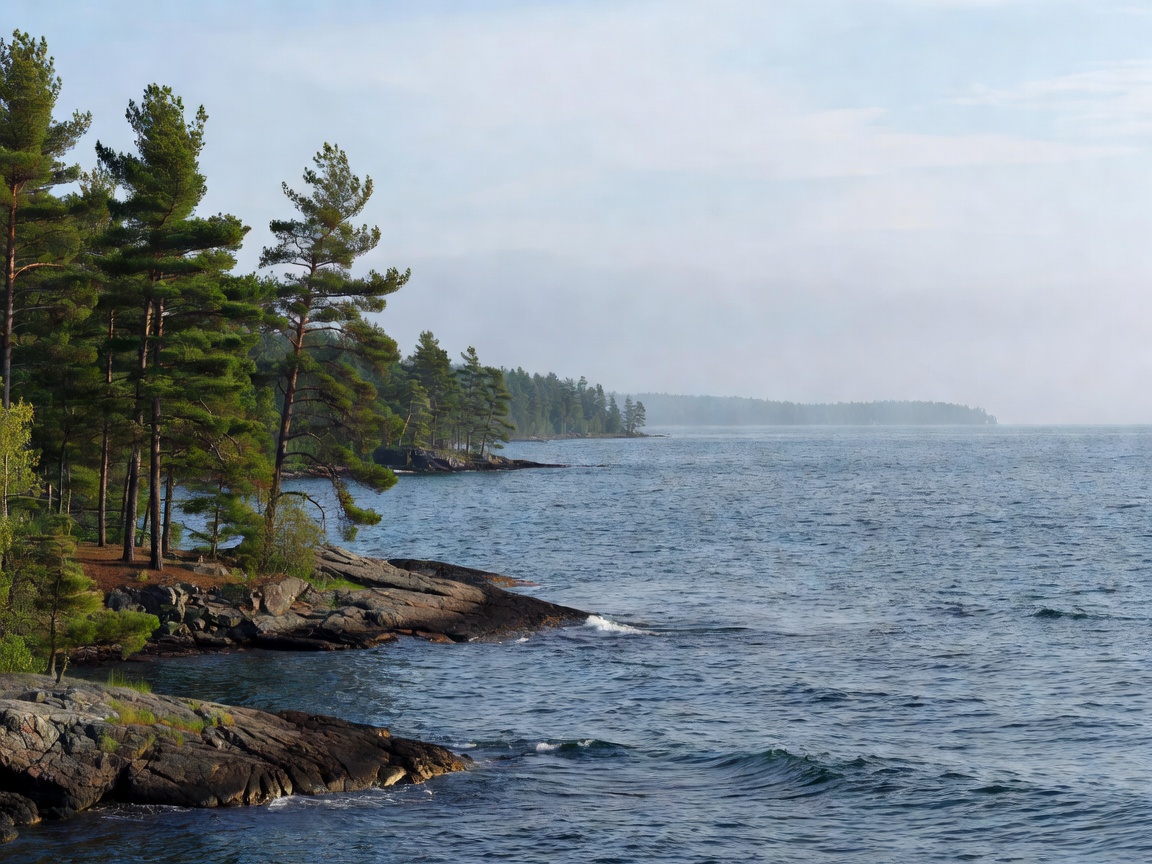
If you only have time for one loop, Lake Superior demands attention. Starting in Duluth, Minnesota, the route follows the North Shore Scenic Drive past Split Rock Lighthouse before crossing into Canada. The Trans-Canada Highway (Highway 17) traces the spectacular, rugged coast through Lake Superior Provincial Park. Expect vast stretches of road without cell service, towering granite cliffs, and pristine wilderness. Returning through Michigan's Upper Peninsula, Pictured Rocks National Lakeshore offers an unmissable detour.
Lake Michigan (Dunes and Cities)
The Lake Michigan loop is entirely within the United States. It contrasts the dense urban sprawl of Chicago and Milwaukee with the quiet, sandy shores of western Michigan. Sleeping Bear Dunes National Lakeshore provides stunning elevated views over the water. This loop is highly accessible, featuring excellent infrastructure, frequent charging stations for electric vehicles, and countless coastal towns equipped with boutique lodging.
Lake Erie & Ontario (History and Wine)
The lower lakes offer a more civilized, agricultural drive. The route around Lake Erie passes through historic rust-belt cities transitioning into coastal state parks. The Lake Ontario circuit, dipping heavily into New York and Ontario, Canada, weaves through the Niagara wine region. This is a route for culinary travelers and history buffs, passing old forts and the inescapable roar of Niagara Falls.
Vehicle & Preparation Recommendations
The demands on your vehicle vary significantly depending on which lakes you tackle. A standard passenger sedan is perfectly adequate for Lakes Erie, Ontario, and Michigan. However, if you are attempting the northern shores of Huron or Superior, ensure your vehicle is well-maintained, equipped with a full-size spare tire, and packed with an emergency kit. Fuel stops in northern Ontario can be spread far apart. Electric vehicle drivers must plan carefully on the northern stretches, as fast-charging infrastructure is still developing along Highway 17.
Because you will be crossing the US-Canada border (unless you solely stick to Lake Michigan), ensure all passengers have valid passports. Wait times at crossings like Sault Ste. Marie or Niagara can vary from ten minutes to over an hour.
Pros and Cons
- Pros: Unmatched scale and variety; excellent state and provincial park systems for camping; predictable summer weather.
- Cons: Immense distances require significant time off work; the southern lakes feature long stretches of heavy industrial and metropolitan traffic; northern routes have long stretches with limited services.
Final Thoughts
The Great Lakes Circle Tour is a monumental undertaking. It tests your endurance while rewarding you with landscapes that feel more like ocean coasts than inland lakes. Whether you bite off a single lake over a long weekend or spend a month tracing the entire basin, it remains a defining North American road trip.